How To Choose Handmade Leather Accessories For Everyday Wear
A practical step-by-step guide to How to choose handmade leather accessories for everyday wear, including preparation, instructions, common issues, tips, and next steps.
How To Choose Handmade Leather Accessories For Everyday Wear
Choosing handmade leather accessories for everyday wear involves balancing aesthetics, durability, and practicality. This guide helps you evaluate leather quality, construction, and design to select pieces that will age beautifully and serve your daily needs. Learn how to inspect stitching, hardware, and finish, and consider your lifestyle to avoid common pitfalls like buying stiff leather or oversized bags. With careful selection, your handmade leather goods will become trusted daily companions.
Fast Answer
- Look for full-grain or top-grain leather with tight, even grain and a natural smell, and ensure stitching is tight, straight, and uniform.
- Choose simple, functional designs with solid hardware and a finish that suits your lifestyle; avoid trendy items that won't age well or match your daily needs.
Before You Start
- Make a list of your daily essentials (wallet, phone, keys, etc.) and how you carry them, so you can choose sizes and compartments that fit your real habits.
- Set a realistic budget range before shopping, but focus on the piece's value and longevity rather than the initial price tag.
- Decide on the leather finish you prefer: smooth, textured, or vegetable-tanned, knowing each develops a unique patina over time.
- Check the maker's care instructions and reputation for craftsmanship, including their return or repair policy, to ensure long-term satisfaction.
Step-by-Step Instructions
Identify the Best Leather Type for Daily Wear
Begin by examining the type of leather used. Full-grain leather, which retains the natural grain, is the strongest and develops a beautiful patina with use. Top-grain leather is slightly buffed for uniformity and is more resistant to stains, but offers less character. Look for hides with fine, tight pores and an even color that doesn't look painted. Avoid corrected-grain or bonded leather, as they are less durable. Check how the leather feels: it should be firm yet pliable, not plastic-like. Smell the leather; high-quality hides have a pleasant, earthy scent. Also, consider the finish: vegetable-tanned leather ages naturally and can be reconditioned, while chrome-tanned is softer but may not last as long. Understanding these differences ensures you pick a material that will withstand years of daily use and still look good as it develops a unique character.
Examine Stitching and Edgework Quality
Inspect every seam and stitch line closely. On well-made items, stitching is even, tight, and consistent, with no loose threads or skipped stitches. Look at the edges: they should be smooth, painted, or burnished, not rough or flaking. If stitching appears to be near the edge and uses heavy thread, it is done by machine, but that is acceptable if it is uniform. Hand-stitching may show slight irregularities but often indicates a premium product. Also, check how corners and curves are sewn—these are weak points that often fail. Run your finger along the seams; they should feel solid with no gaps. Quality stitching ensures the accessory won't come apart after a few months of use. If the stitching is poor, the item is likely low-quality even if the leather appears nice otherwise.
Evaluate Hardware and Functional Details
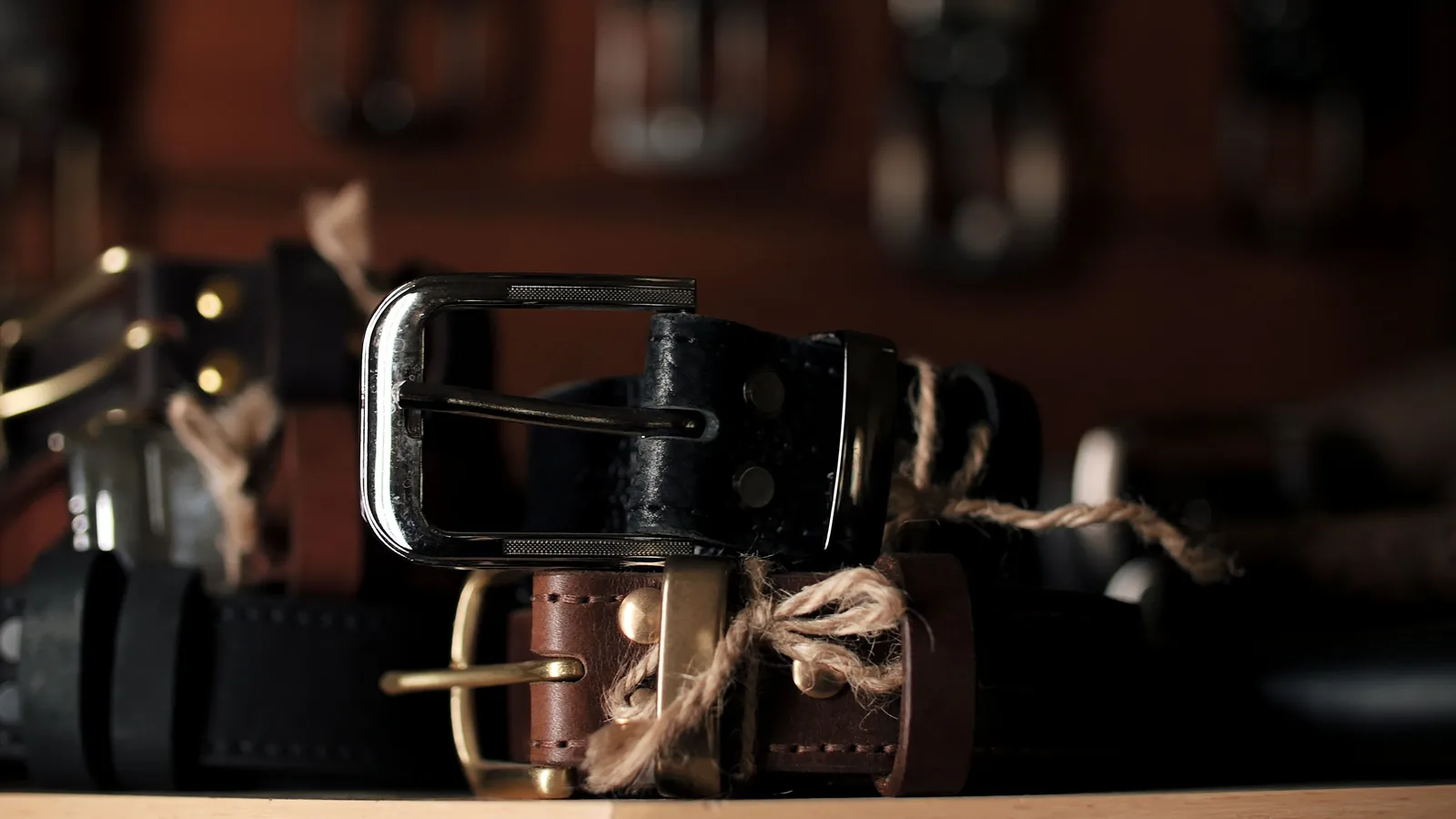
Look at the zippers, snaps, buckles, and rivets. High-quality hardware is usually solid brass or zinc alloy, not painted plastic that will wear off. Zippers should glide smoothly without catching; test them multiple times to be sure. Snaps should close with a satisfying click and not be loose or overly stiff. Buckles should be sturdy and attached securely, not just sewn on with thin thread. If the accessory has a strap, check the attachment points and ensure they are reinforced. Also, consider the interior: a clean lining that is well-sewn adds durability. Hardware that fails can ruin an otherwise great piece, so take time to examine every functional element. A good maker will use hardware that you can repair or replace if needed.
Assess Size, Weight, and Capacity for Your Needs
Consider how you actually plan to carry the accessory. If it is a bag, place your daily items inside, if possible, to check the fit. Ensure there are enough compartments for organization, but not so many that the bag becomes heavy or bulky. The item should not be excessively heavy when empty, because a leather bag only gets heavier as you fill it. Measure the dimensions against your typical necessities—phone, keys, wallet—and check whether they will fit without stretching the leather or straining zippers. Think about the strap length: adjustable straps offer more versatility. For belts, wear your usual trousers and test the fit with the belt at a comfortable notch. A piece that is too small will frustrate you; one that is too large will be unwieldy. The right size makes it easy to grab and go, encouraging daily use.
Match the Style to Your Everyday Aesthetic
Look for a design that seamlessly integrates with your existing wardrobe. Neutral colors like brown, tan, and black are versatile, but consider your most-worn clothing palette. The style should be classic rather than overly trendy, so it remains appropriate for years. For a wallet or bag, decide between a polished, structured look and a more relaxed, slouchy silhouette. Check details like stitching color and edge finish—these affect the overall appearance. A minimalist piece can be dressed up or down, while one with embossing or patterns may be harder to style. Think about where you will use the item: casual outings, office, or weekends. The right style feels like a natural extension of you and makes you reach for it every day, ensuring your investment is used and enjoyed rather than sitting in a closet.
Consider Long-Term Care and Provenance
Before buying, ask about how the leather should be conditioned and what to do if it gets wet or stained. A good maker will provide care instructions or even sell a matching conditioner. Leather is porous and will react to the environment, so you need to know if your selected type is suitable for your climate (for example, avoid vegetable-tanned that easily spots if you live in a rainy area). Also, ask about the maker's repair policy: will they restitch a broken seam or replace a zipper at a fair price? Knowing you can get support extends the life of the piece. Additionally, consider the environmental impact: artisan-made goods often have a lower footprint and are meant to last. By choosing a durable product and maintaining it properly, you reduce waste. This step ensures that your purchase remains a reliable companion instead of becoming a disposable item.
Quick Reference
| Situation | Action | Why it helps |
|---|---|---|
| You are comparing two belts, one with glued edges and one with burnished edges. | Choose a belt with burnished (sanded and smoothed) edges, as they are more durable and will not peel like glued ones. | A burnished edge is part of the leather itself and wears smoothly, whereas glued edges can separate and look ragged over time. |
| You find a wallet you like, but the stitching looks inconsistent at the seams. | Set it aside and look for a wallet with even, tight stitching or ask if the maker offers a warranty against seam failure. | Even stitching distributes stress evenly, reducing the risk of tearing during everyday use—uneven stitches are a sign of rushed craftsmanship. |
| Your small bag fits your phone but leaves no room for keys or a card case. | Measure the interior dimensions and check if a key clip or slim card slot exists; if not, choose a slightly larger model. | An accessory that is too small forces you to carry extra pouches, making it less convenient and increasing the risk of overstuffing and damaging seams. |
Common Issues
- The leather feels dry or stiff after unboxing.: Apply a light coat of leather conditioner, then allow it to absorb overnight. For persistent stiffness, flex and roll the item gently to soften it, but avoid using heat or water.
- Stitching starts to unravel near the stress points.: If caught early, take it to a cobbler to restitch the area with a lock-stitch or back-stitch. Tighten any loose threads by gently pulling and gluing the ends with a small drop of rubber cement.
- The color fades or develops uneven spots after a few weeks.: Clean the leather with a damp cloth, dry it completely, then apply a leather balm or cream color restorer. Keep it out of direct sunlight for extended periods, as UV rays dull the finish.
Advanced Tips
- Condition your leather accessories with a product that suits the specific tanning type; use a cream with natural wax for veg-tanned and a light oil for chrome-tanned.
- Rotate your everyday leather goods weekly to allow natural oils to even out and to prevent permanent creases from forming in the same spots.
- When not in use, stuff bags with acid-free tissue to help them hold their shape, and never hang a bag by its handles as it stresses the attachments.
Final Checklist
- Does the leather type match the durability level you need for daily use?
- Check the stitching, edges, and hardware for any visible flaws or looseness.
- Have you tested the size and capacity with your actual daily items?
- Do you know the specific care routine and repair options for this piece?
FAQ
Can I use these handmade accessories every day without ruining them?
Yes, if you choose high-quality full-grain leather and properly care for it. Daily use will cause scratches and patina, which adds character, but avoid soaking it in water and always wipe off spills promptly. Conditioning every 3-6 months keeps the leather supple.
How do I know whether a product is really handmade?
Ask the seller directly and look for details like slightly imperfect stitching, unique grain patterns, or small tool marks. Many makers share photos of their workshops or are happy to answer questions. If they hesitate to provide details, it may not be handmade.
What should I do if my leather item gets scratched or scuffed?
For minor scratches, rub the area gently with your finger or a soft cloth to distribute natural oils. For deeper marks, use a leather conditioner or cream in a matching color. Severe damage should be assessed by a professional leather repair service.