How To Put Together A Small Self Care Gift
A practical step-by-step guide to how to put together a small self care gift, including preparation, instructions, common issues, tips, and next steps.
How To Put Together A Small Self Care Gift
Creating a small self-care gift is a thoughtful way to show someone you care. This guide walks you through assembling a personalized gift box with items that soothe the senses, encourage relaxation, and promote well-being. You'll learn how to choose a container, select items for comfort, add a personalized touch, and present it beautifully. The steps are simple, affordable, and can be tailored to any budget or occasion. By following this guide, you'll create a meaningful gift that helps the recipient pause and recharge, whether they need a quiet evening or a little extra kindness. The process is flexible, so you can adapt it to the person's preferences and your own resources.
Fast Answer
- Gather a container and a few small items that promote relaxation, such as a scented candle, a cozy blanket, or a favorite tea. Arrange them in the container with tissue paper and add a personal note.
- Choose items based on the recipient's preferences, like a book, bath salts, or a healthy snack. Wrap each item carefully, place them in the container, and finish with a handwritten card.
Before You Start
- Select a container that fits the recipient's style, such as a decorative box, a woven basket, or a reusable tote bag. Ensure it's clean and sturdy enough to hold the items.
- Decide on a theme or purpose for the gift, such as 'relaxation', 'pampering', or 'cozy night in'. This will help you choose items that work well together.
- Set a budget for the gift. Even a few small, thoughtful items can be meaningful, so focus on quality and personal touches rather than quantity.
- Make a list of the recipient's preferences, including scents they enjoy, colors they like, and activities that help them unwind. This will guide your item selection.
Step-by-Step Instructions
Choose Your Container and Theme
Start by picking a container that sets the tone for your gift. A small cardboard box, a wooden crate, or a pretty basket all work well. Think about the recipient's personality: a minimalist might appreciate a sleek metal tin, while a nature lover might enjoy a rustic wooden box. Once you have your container, decide on a theme. For example, a 'spa day' theme could include a face mask, bath salts, and a loofah. A 'cozy night' theme might feature a soft blanket, a mug, and tea. Having a theme helps you select items that feel cohesive and intentional. It also prevents the gift from feeling random. Take a moment to write down your theme and list possible items that fit. This step is important because the container and theme are the foundation of your gift. Check that your container is clean and large enough to hold all your chosen items without being overcrowded. If it's too small, the gift may look messy, so adjust your items or choose a bigger container.
Select Self-Care Items
Now, pick the items that will fill your gift. Aim for a mix of sensory experiences: something to smell, something to touch, something to taste, and something to look at. For smell, choose a scented candle, essential oil, or herbal sachet. For touch, consider a soft throw pillow, a plush towel, or a stress-relief ball. For taste, include a box of herbal tea, a bar of dark chocolate, or a bag of gourmet coffee beans. For sight, you could add a small plant, a beautiful journal, or a photo frame. Make sure each item is something the recipient will actually use. For example, if they don't drink coffee, skip the coffee beans. Also, consider the size of the items; they should fit comfortably in your container without breaking. This step is crucial because the items are the heart of the gift. After selecting, review your list and remove any items that are too large or duplicate a similar function. A balanced selection ensures the gift feels thoughtful and useful.
Add a Personal Touch
Make the gift uniquely personal by including something that reflects your relationship with the recipient. This could be a handwritten note expressing why you appreciate them, a playlist of songs they love, or a homemade treat that they enjoy. If you're crafty, you could create a small DIY item, like a bath bomb, a sugar scrub, or a knitted washcloth. Alternatively, you could include a gift card to their favorite bookstore or café, but avoid mentioning specific brands. The personal touch should feel meaningful and not just an afterthought. Take your time to think about what would make the recipient smile. A personal message is especially important because it shows you care beyond just giving a gift. After you've chosen your personal item, write down a few words you might include in a note. Ensure the personal item is properly wrapped or protected if it's fragile. This step transforms a generic gift into a heartfelt gesture.
Prepare and Wrap the Items
Before placing items in the container, wrap them individually or in sets. Use tissue paper, small gift bags, or reusable fabric wraps. Wrapping each item adds an element of surprise and keeps delicate items from getting scratched. For example, wrap the candle in tissue paper, place the bath salts in a small glass jar with a lid, and slip the tea bags into a decorative envelope. If you're including a liquid like bath oil, make sure the lid is tightly sealed, and consider placing it in a leak-proof bag. Also, add a layer of shredded paper or crinkle cut at the bottom of the container to provide cushioning and prevent items from shifting. This step is essential because it protects the items and makes the gift look more polished. After wrapping, arrange the items in the container to see how they fit. Reorganize as needed to create a balanced and visually appealing layout.
Assemble the Gift Box
Now it's time to put everything together. Start by placing the heaviest items at the bottom or back of the container, such as a book or a bottle of bubble bath. Then, layer lighter items on top, like a candle or a sachet. Fill any gaps with tissue paper, small trinkets, or even a pack of mints. Place the personal note or card in a visible spot, like tucking it under the ribbon or leaning it against a larger item. Make sure all items are securely positioned so nothing falls out when the gift is moved. Step back and look at the arrangement from different angles. If something looks out of place, adjust it. The goal is to create a cohesive presentation that invites the recipient to explore. After you're satisfied with the arrangement, you can optionally add a filler like potpourri or small pinecones to enhance the visual appeal. Double-check that all fragile items are cushioned.
Wrap and Present the Gift
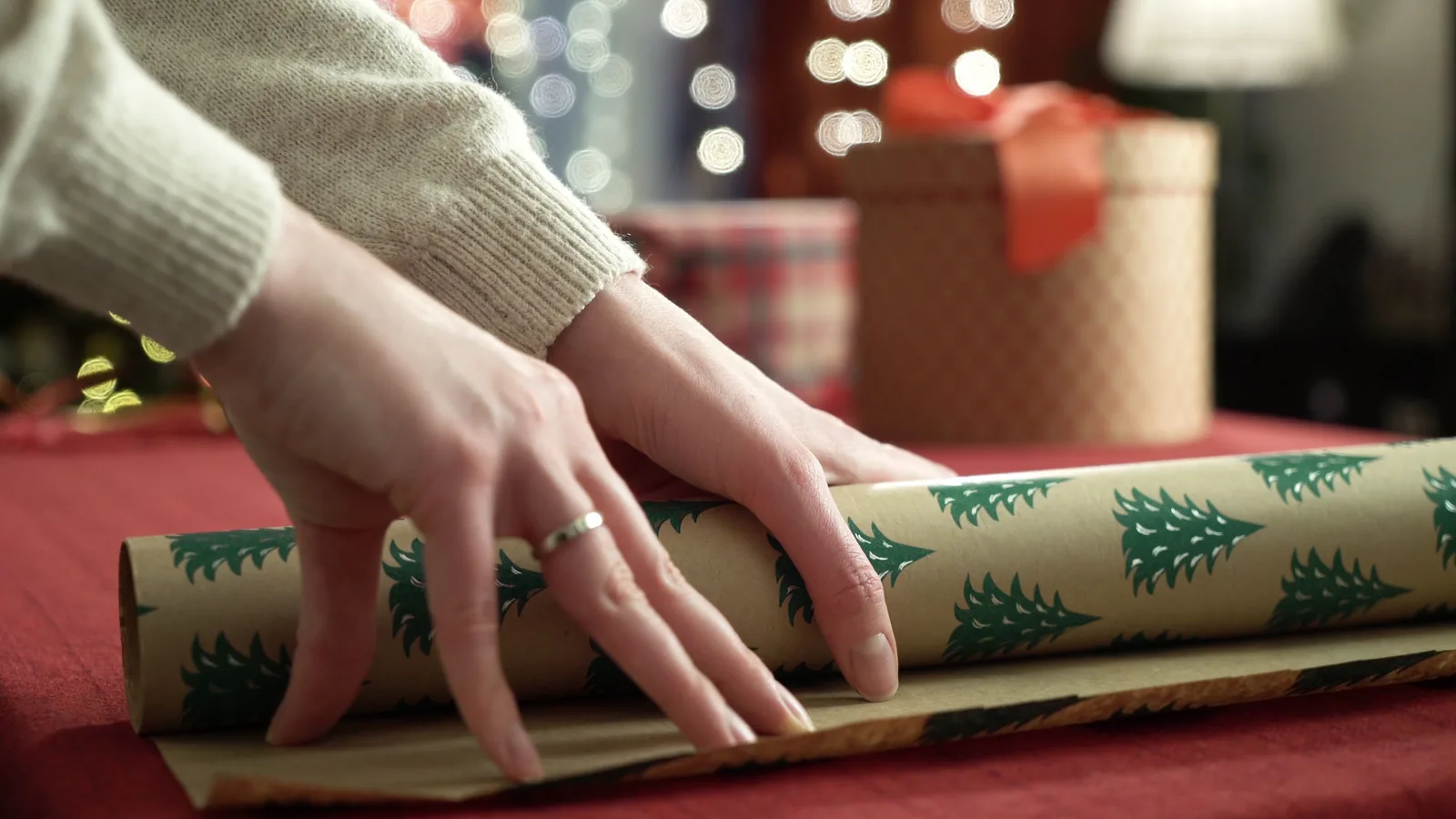
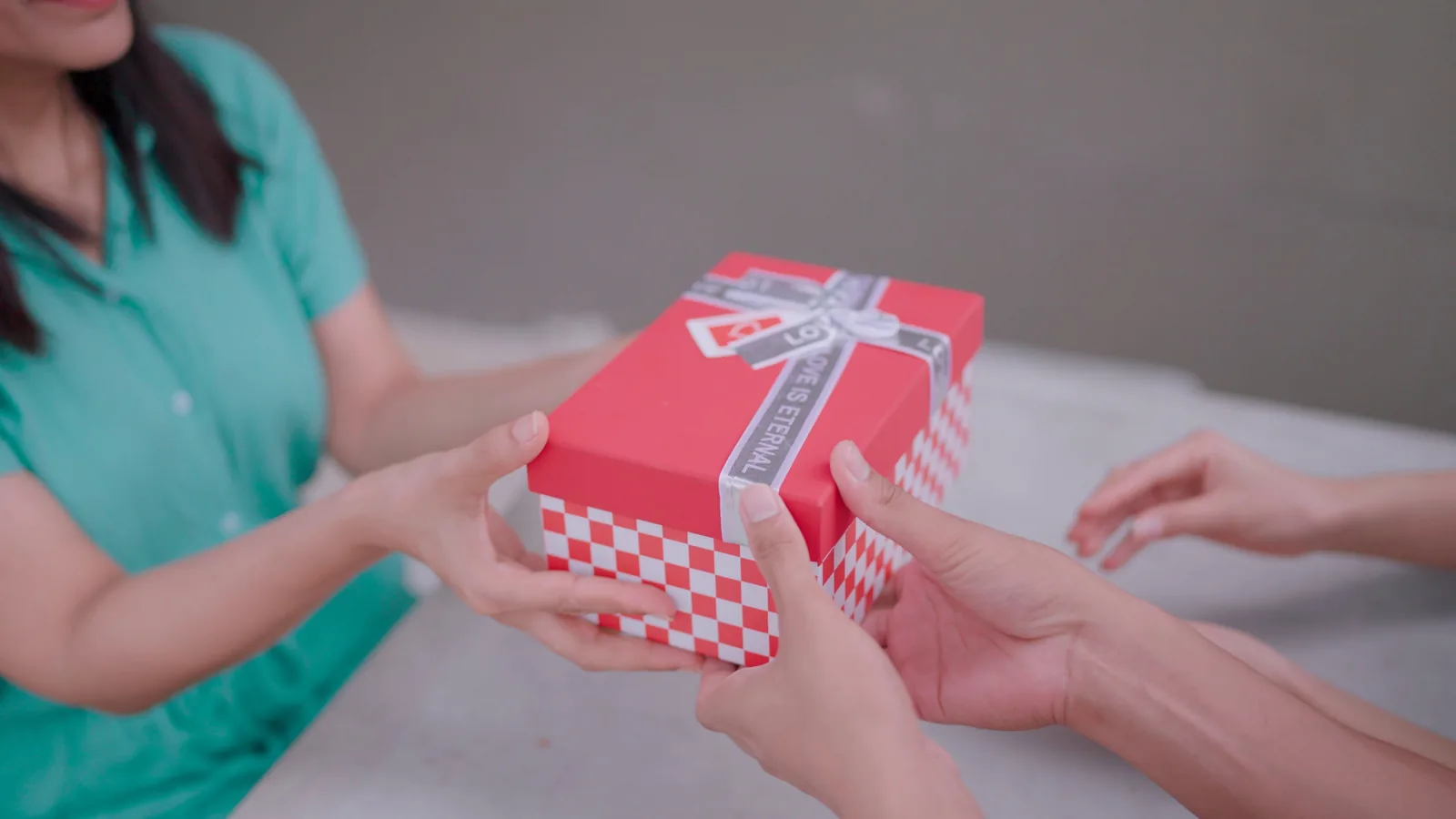
Finally, wrap the entire container for a beautiful presentation. You can use a clear cellophane bag and tie it with a ribbon, or place the container in a gift bag with matching tissue. If the container is a box, you might wrap it with decorative paper or cover it with a cloth. Attach a gift tag or a small card with the recipient's name. If you're delivering the gift in person, consider adding a final touch like a sprig of dried flowers or a ribbon bow. Before handing it over, take a moment to inspect the gift: ensure there are no sharp edges, the wrapping is secure, and everything looks tidy. This step is important because the presentation enhances the recipient's anticipation and shows that you invested effort. Once you're confident it looks good, you're ready to give the gift. Remember to hand it with a smile and a kind word.
Quick Reference
| Situation | Action | Why it helps |
|---|---|---|
| You're unsure which scent to choose for the candle. | Choose a candle with a mild, universally liked scent such as vanilla or unscented, or include a note saying the scent can be easily swapped. | This reduces the risk of overwhelming the recipient or clashing with their preferences, ensuring the gift is enjoyable. |
| The gift box is too full and items are falling out. | Remove the least essential item or replace it with a smaller version, and add extra tissue paper for cushioning to keep everything in place. | A stable, neatly arranged gift looks more thoughtful and prevents damage to the contents. |
| The recipient has allergies to nuts or certain botanicals. | Skip food items and strongly scented botanicals; instead, include unscented body lotion, a cozy blanket, or a journal with a pen. | This avoids health risks and demonstrates that you respect their specific needs. |
Common Issues
- Items slide around and get damaged during transit.: Use crumpled packing paper, bubble wrap, or tissue paper to wedge items snugly in the container, and if shipping, wrap the entire box in a protective outer layer.
- The gift feels too generic, like just a random collection.: Add a personal note with a specific reason for each item, or theme the gift around a hobby or interest the recipient has.
- You want to include a perishable item like a baked good, but worry about freshness.: Bake it the same day and wrap it tightly, or choose a non-perishable treat like a jar of honey or a box of high-quality tea.
Advanced Tips
- Create a gift that lasts by including a small plant or a set of seeds, giving the recipient a living reminder of your care.
- For a tech-free self-care theme, include a journal, a pack of coloring pencils, and a pad of paper to encourage unplugging and mindfulness.
- Consider making your own bath soak by mixing Epsom salt with a few drops of essential oil and dried lavender, then pack it in a glass jar with a label.
Final Checklist
- Have you chosen a container that suits the recipient's taste and is the right size for your items?
- Did you include a variety of sensory items and check for allergies or preferences?
- Have you wrapped each item securely and arranged them so the gift is stable and attractive?
- Did you add a personal note or touch that makes the gift feel unique?
FAQ
What if I have a very small budget?
You can still create a meaningful gift by focusing on a few low-cost items like a candle, a small journal, and a tea bag. The key is personalization—a handwritten note costs nothing but adds great value. Also, consider DIY items like homemade sugar scrub or a personalized playlist.
How do I choose items for a person who is not into typical self-care?
Tailor the gift to their hobbies. For example, if they love reading, include a bookmark and a cozy throw. If they enjoy music, add a small speaker or a vinyl. Think about what helps them relax, whether it's a puzzle, a sports accessory, or a snack. Always ask yourself, 'Would they actually use this?'
Can I include a gift receipt even though I want it to be a surprise?
Yes, include a receipt in a separate envelope with a note saying they can exchange anything if they prefer. This takes pressure off you and ensures the recipient gets something they truly like. It's a practical way to handle uncertain preferences.