How To Choose Comfortable Earrings For Long Days
A practical step-by-step guide to how to choose comfortable earrings for long days, including preparation, instructions, common issues, tips, and next steps.
How To Choose Comfortable Earrings For Long Days
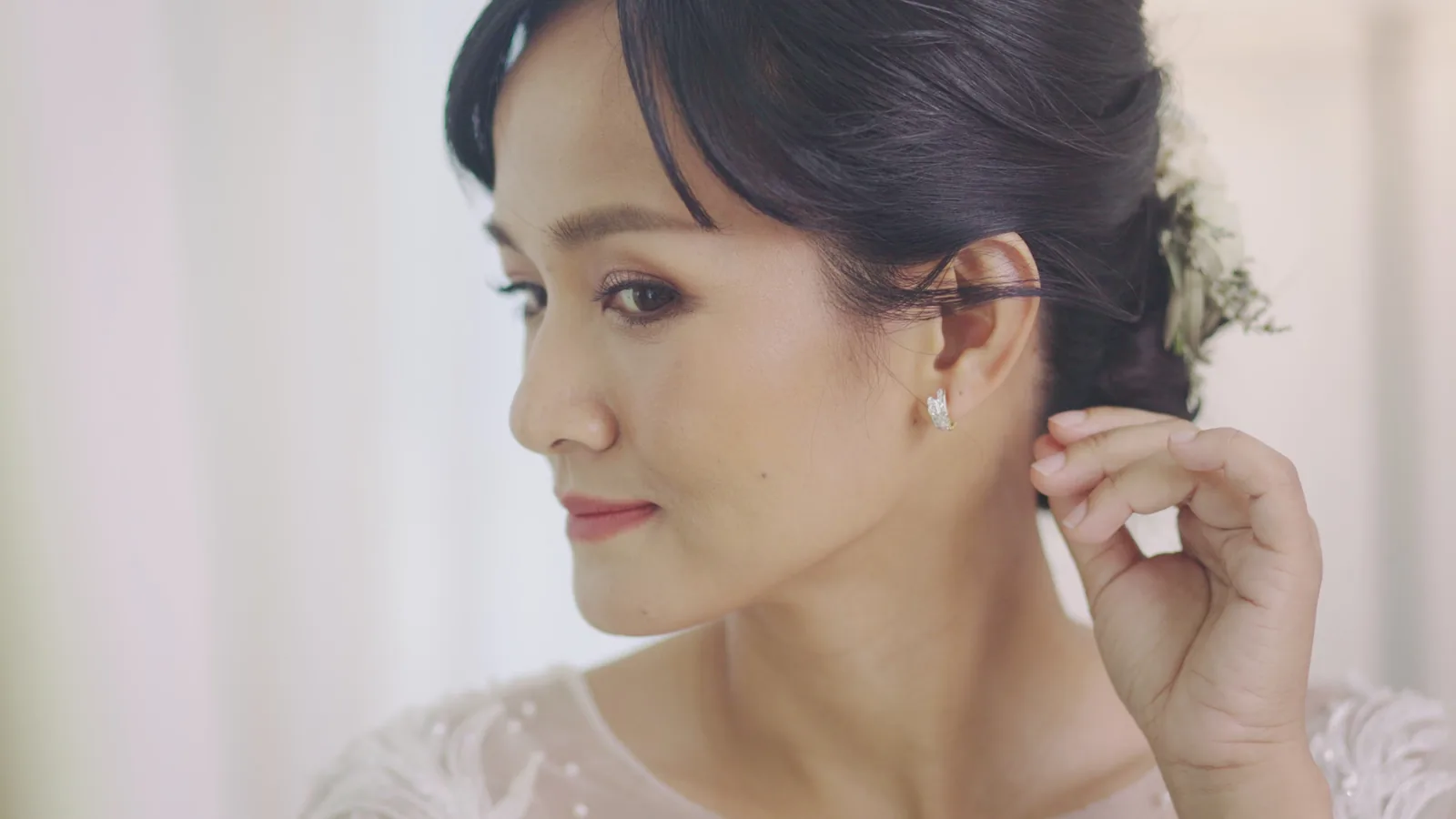
Choosing comfortable earrings for long days is about balancing weight, material, and fit so your ears stay pain-free from morning to night. This guide walks you through selecting lightweight designs, hypoallergenic metals, and secure backs, plus practical tips for testing comfort before you commit. You'll learn how to assess earring weight, avoid common irritants, and adjust your habits for all-day wear without sacrificing style.
Fast Answer
- Pick earrings made from lightweight materials like titanium, niobium, or surgical stainless steel, and choose small or thin designs that won't pull on your earlobes.
- Opt for earrings with secure but gentle backs like silicone or plastic stoppers, and test them for a few hours at home before wearing them all day.
Before You Start
- Before you shop, assess your earlobe sensitivity by noting any reactions to costume jewelry in the past, as this helps you narrow down safe metals.
- Gather a small jewelry scale or use your hand to compare the weight of different earrings, aiming for under 5 grams per earring for everyday wear.
- Check if your earlobes are naturally more sensitive to pressure or have healed piercings, and consider the size of your piercing hole when choosing post thickness.
- Plan to test new earrings at home for a few hours before committing to a full day, so you can notice discomfort early without ruining your outing.
Step-by-Step Instructions
Prioritize Lightweight Materials for All-Day Wear
The weight of your earrings is the single most important factor for comfort during a long day. Heavy earrings stretch your earlobe and create a pulling sensation that turns into aching pain after a few hours. Look for materials like titanium, niobium, or surgical stainless steel, which are both lightweight and hypoallergenic. Plastic or acrylic earrings can also be light, but they may not be as durable for everyday use. To gauge weight, hold the earring in your palm and feel its heft; it should feel almost weightless. A good rule is to choose earrings that weigh less than a paperclip. Remember that larger designs often weigh more even if they are hollow, so check the actual weight by placing them on a kitchen scale if you have one. This check matters because your earlobe has no muscle, and the skin and cartilage are easily fatigued by prolonged stress, leading to soreness that can last for days. By prioritizing lightweight pieces, you prevent the most common cause of earring discomfort.
Select Hypoallergenic Metals to Protect Sensitive Skin
Your skin can react to metals like nickel, which is common in cheaper jewelry, causing itching, redness, and swelling that make a long day unbearable. Choose earrings labeled 'hypoallergenic' or made from materials like titanium, niobium, or 14-karat gold. Stainless steel is also an option, but some grades may contain trace amounts of nickel, so look for 'nickel-free' stainless steel. If you have known allergies, consider implant-grade titanium, which is the most biocompatible. To verify, check product descriptions for the metal content or ask the seller for material specifications. A practical check is to place the earring on the inside of your wrist for a few minutes; if you don't react within 30 minutes, you're likely safe. This test is vital because nickel is a leading cause of allergic contact dermatitis, which can develop even if you've worn earrings without issues before. By choosing hypoallergenic metals, you reduce the risk of irritation that can turn a simple accessory into a painful distraction.
Choose Earring Backs That Hold Securely Without Pressure
The back of your earring is what keeps it in place, but a poorly designed back can cause just as much discomfort as a heavy earring. Traditional butterfly backs can be too tight, digging into your earlobe and trapping moisture, which leads to soreness. Look for silicone or plastic backs that are soft and flexible, as they grip the post without excessive pressure. Another option is a screw-back, which requires a little more effort but provides a secure fit without pinching. When you try an earring, put the back on and ensure that it's not pressing too firmly; you should be able to wiggle it slightly. Also, consider flat back studs that lie flush against your ear, which reduce pressure points. This check matters because the back applies direct force to the back of your earlobe, and continuous pressure can cause bruising or even indentations over time. By choosing a back that balances security and gentleness, you avoid the unseen discomfort that can ruin an otherwise good pair of earrings.
Opt for Small or Thin Designs to Minimize Strain
The size and shape of the earring influence how much it moves and pulls on your ear. Large hoops and dangly earrings create a pendulum effect that stretches the piercing hole and tugs with every nod or turn of your head. For all-day comfort, choose studs, small hoops, or thin huggie earrings that follow the natural curve of your earlobe. If you love dangling earrings, select ones with a lightweight wire and a small decorative element, and ensure they have a secure hook or clasp. A practical check is to wear the earring for a few minutes and move your head side to side; if it swings too much, it's likely to cause strain later. This matters because the force on your ear is increased when the earring's weight is distributed away from the piercing, so reducing the size and length can dramatically reduce tugs. By choosing compact designs, you allow your earrings to become a subtle addition rather than a constant source of irritation.
Test Earrings for a Few Hours Before Committing
Your body's feedback is the most accurate tool you have, so before wearing a new pair of earrings for a full day, give them a trial run at home. Put them on in the morning and go about your normal activities—cooking, reading, or light chores—and pay attention to any itching, redness, or pressure. After a few hours, remove them and inspect your earlobes for indentations or soreness. This trial period lets you catch problems early, especially with less familiar designs like huggies or wire earrings. Keep a pair of earrings you know are comfortable on hand to swap back if you sense any issue. This check is vital because the skin and tissue in your earlobes can tolerate slight discomfort initially, but that discomfort can escalate into a headache or an allergy flare after eight hours. By testing, you make an informed decision rather than discovering only later that the earrings are unwearable, saving you frustration and pain.
Rotate Your Earrings and Give Your Earlobes Daily Rest
Even the most comfortable earrings can cause fatigue if worn continuously for days, because your ears need time to breathe and recover. Make it a habit to remove your earrings before sleeping, so you give your earlobes a break from any pressure. Clean your earrings regularly with a soft cloth and warm water to remove dirt and oil that can cause irritation. Also, rotate your earring collection so you don't wear the same pair every day, allowing your ears to rest from the specific shape and weight. A practical check is to take one day a week where you wear no earrings or only very lightweight studs. This matters because if you repeatedly wear the same earrings, the skin can become compromised, and the piercing might tighten or become infected from constant friction. By incorporating rest days and proper hygiene, you maintain healthy earlobes that can comfortably accept earrings throughout the year.
Quick Reference
| Situation | Action | Why it helps |
|---|---|---|
| You're shopping for earrings to wear to a full-day event and can't decide between two styles. | Weigh both pairs in your hand, choose the lighter one, and opt for a stud or small hoop design for maximum comfort. | A lighter earring exerts less pull on your earlobe, so it will stay comfortable throughout a longer period. |
| You have a nickel allergy, but you love a pair of plated earrings that are on sale at the store. | Check the label for 'nickel-free' or 'hypoallergenic' and ask to see the material specs; if it lacks a coating, skip it. | Plated earrings can wear off and expose the nickel underneath, triggering an allergic reaction that is painful and unwearable. |
| You're on a long hike and your stud earring feels like it's becoming loose and may fall out. | Stop and use a spare silicone back from your pocket to firmly secure the post, or replace the earring with a pair with screw backs. | Loose backs can lead to lost earrings and create friction that irritates the piercing, so securing them prevents discomfort and loss. |
Common Issues
- Your earlobes become red and itchy a few hours after putting on new earrings.: Remove the earrings immediately, wash your earlobes with gentle soap and water, and apply a cold compress to soothe. Look for nickel-free brands next time.
- The earring back is too tight, leaving painful indentations on your lobes.: Replace the backs with soft silicone or plastic ones, and ensure they are not pressed too tightly against your ear when securing.
- Earrings feel heavy and start to drag your earlobes down by the afternoon.: Swap to a lighter pair with a thinner post or smaller design, and give your earlobes a gentle massage to reduce soreness.
Advanced Tips
- For long events, consider using clear plastic 'earring cushions' on the posts, which act as a soft barrier between the metal and your skin.
- If you prefer studs, look for ones with a 'hypoallergenic core' made of titanium and a 14k gold overlay, ensuring both beauty and safety.
- Invest in a small jewelry organizer to keep pairs separate and reduce the chance of misplacing backs, which often leads to makeshift solutions that pinch.
Final Checklist
- Check the weight of each earring and ensure it feels light in your palm before buying.
- Verify the material is hypoallergenic, like titanium or nickel-free stainless steel, and note any allergies you have.
- Test the backs for secure but gentle fit, and bring spare silicone backs when going out for a long day.
- Take one day per week to go earring-free to allow your earlobes to recover fully.
FAQ
How can I tell if platinum is comfortable?
Platinum is generally lightweight and hypoallergenic, but its comfort also depends on the design. Look for thin posts or lightweight hooks, and test the earrings for a few hours to see if they cause any pressure. Since platinum is often used in high-end jewelry, it is unlikely to contain nickel, but it's always wise to double-check the alloy.
Can I wear clip-ons instead?
Clip-ons can be comfortable if they have padded or silicone cushions and fit without pinching too hard. However, they can still hurt after long wear because of the constant squeezing on the lobe. Look for adjustable, padded clips that distribute pressure evenly, and take breaks by removing them for a few minutes now and then.
What should I do if my earrings turn my ears green?
Green stains usually indicate a reaction to copper in the metal, which is common in costume jewelry. Clean your ears with soap and water, and avoid wearing earrings that cause this. Choose high-quality materials like titanium or 14k gold, and don't forget to keep your earrings dry to prevent moisture that can accelerate oxidation.