How To Choose A Belt For A Capsule Wardrobe
A practical step-by-step guide to how to choose a belt for a capsule wardrobe, including preparation, instructions, common issues, tips, and next steps.
How To Choose A Belt For A Capsule Wardrobe
A capsule wardrobe relies on a few versatile belts that tie outfits together without adding clutter. This guide helps you choose belts that match your style, fit well, and last, while avoiding common mistakes. You'll learn to evaluate materials, colors, and hardware, and how to test for comfort and durability. The steps walk you through assessing your wardrobe, setting a budget, choosing colors, picking materials, checking hardware and sizing, and finally testing the belt. You'll also find troubleshooting for common issues like stretching or squeaking, advanced tips for long-term care, and a final checklist to ensure you make a smart purchase that serves you for years.
Fast Answer
- Focus on one or two neutral colors that match your most-worn pants, like dark brown and black, and choose a belt width between 1 and 1.5 inches for everyday wear.
- Select full-grain leather or high-quality vegan leather, ensure the buckle is sturdy and not too flashy, and always try on the belt with your usual pants to check for comfort and fit.
Before You Start
- Look through your closet and identify the pants, jeans, and skirts you wear most often. Make a list of their colors and the belt loops they have.
- Decide on the main style you want: classic, casual, or dressy. This will guide your choice of material and buckle design.
- Set a practical budget based on how often you'll wear the belt and how long you expect it to last. A good belt can be an investment.
- Measure a belt you already own that fits well, from the buckle hole you use to the middle hole. This gives you a starting size reference.
Step-by-Step Instructions
Assess Your Current Wardrobe Needs
Start by looking at your clothes. Pull out the pants and jeans you wear at least once a week, and note their colors and the width of their belt loops. If you mostly wear dark denim and black trousers, a black belt might be your first pick. If you wear khakis and brown shoes often, a brown belt is more useful. Count how many belts you already own and see if they cover the colors you need. The goal is to choose a belt that works with many outfits, not just one. For example, a plain leather belt in a medium brown can go with casual chinos and dressier trousers. Take a moment to think about your lifestyle: if you dress casually most days, a braided or canvas belt might be better, but if you need to dress up, leather is a safer choice. This step is the foundation, so don't skip it. A quick check: hold each pair of pants you plan to wear with the new belt and see if the color would clash or blend. That visual test helps you narrow down your color options.
Decide on the Belt Width and Style
Belt widths vary from about 1 inch to 2 inches. A 1-inch belt is more formal and works with dress pants. A 1.5-inch belt is a good middle ground for most casual and business-casual looks. A wider belt, over 2 inches, is usually for jeans or high-waisted skirts and can feel bulky. Look at your wardrobe: if you have tailored trousers, a thinner belt looks smarter. For jeans with wide belt loops, a wider belt balances the proportion. Also consider the buckle style: a simple rectangular or rounded buckle is timeless; a Western-style buckle is more casual. Think about what you already wear and choose a style that complements your coats and shoes. For a capsule wardrobe, classic styles are best because they don't look dated. A check you can do is to lay the belt against your pants and see if the width fits under the belt loops. It should slide easily but not be so wide that it bends the loops. The style should also match your lifestyle: if you wear a lot of cardigans, a braided belt adds texture without being too loud.
Choose the Right Material for Durability
The material affects how the belt looks, feels, and lasts. Leather is a classic choice: full-grain or top-grain leather is durable and develops a nice patina over time. Suede is softer but needs more care and is less formal. Vegan leather is an option if you avoid animal products, but make sure it's high-quality polyurethane that doesn't peel quickly. Fabric belts like canvas or cotton webbing are casual, breathable, and easy to wash, but they can stretch or fade. For a capsule wardrobe, you want a material that can handle daily wear for years. Inspect the edges: a well-made belt has edges that are smooth and sealed, not rough. Bend the belt slightly; it should be pliable but not flimsy, offering some structure. If buying online, read reviews about how the material holds up over time. Also, consider the season: a heavy leather belt might feel too warm in summer, while a woven fabric belt is lighter. Your check here is to think about how often you'll wear the belt and how much maintenance you're willing to do. Leather needs occasional conditioning; fabric can be machine washed sometimes. Pick a material that matches your willingness to care for it.
Check the Hardware and Buckle Quality
The buckle and other metal parts should feel solid and be securely attached. Avoid buckles that are too shiny or ornate if you want a versatile belt. A brushed or matte finish is less flashy and matches more outfits. Check the way the buckle attaches: it should be stitched or riveted, not glued. Move the buckle to see if it slides easily but stays in place when you wear it. If the belt has a loop that keeps the tail in place, that loop should be sturdy and not too tight. Also, examine the holes: they should be cleanly cut and not too close together, because that weakens the belt. A good number of holes is usually five, so you can adjust. The prong (the part that goes into a hole) should be smooth and not too sharp. Some belts have a double-loop system, which can be more secure but may be trickier to use. Try fastening and unfastening the belt a few times to ensure it works smoothly. A belt with a heavy buckle might droop on lighter pants, so consider the weight. Overall, the hardware should not feel like an afterthought; it should be proportionate to the belt's width and style.
Ensure the Perfect Fit and Sizing
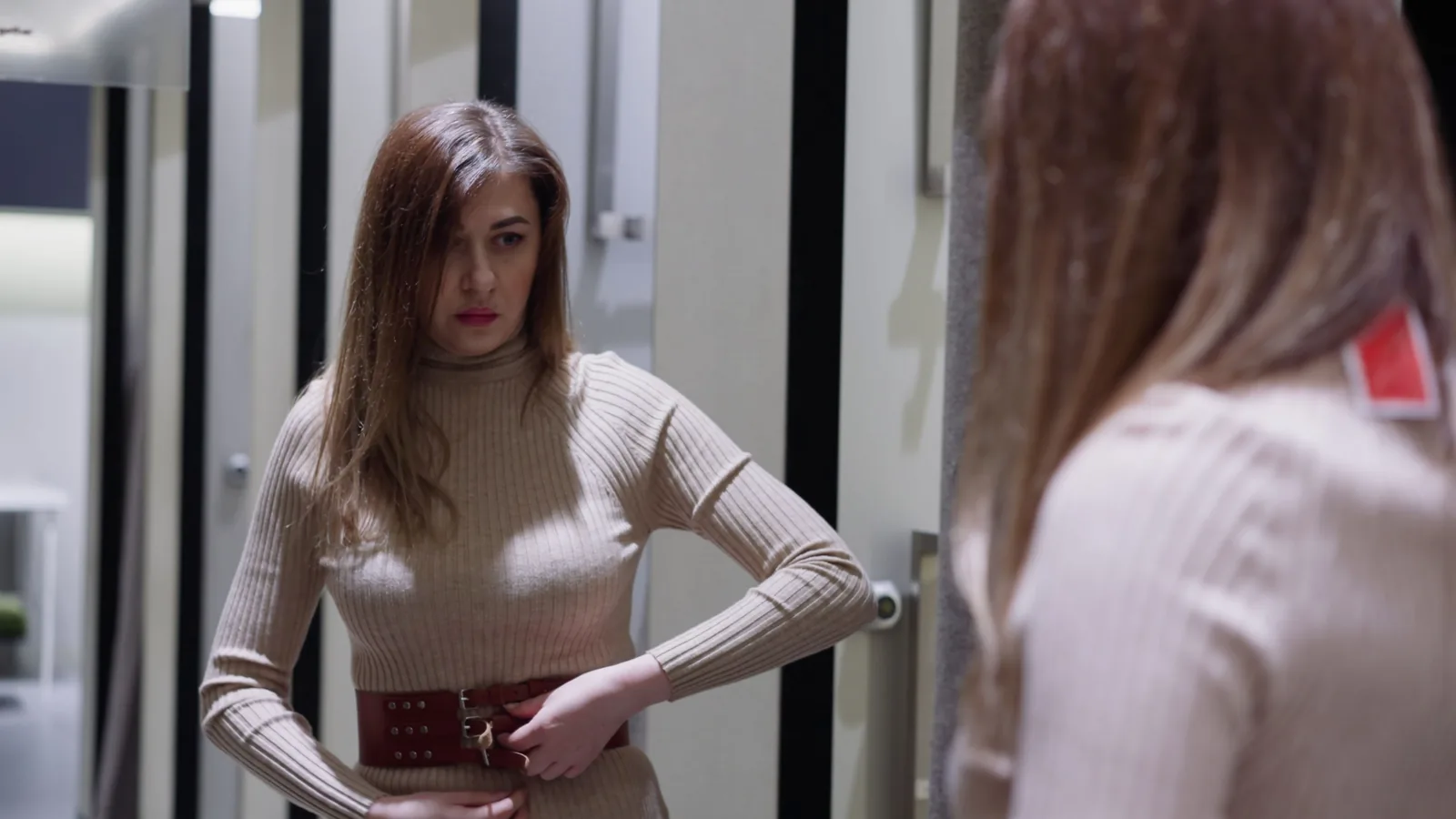
The right fit is crucial for comfort and appearance. A belt should be true to your waist or hip measurement, depending on where you wear it. For pants, measure around your natural waistline, which is usually just above the navel. For trousers that sit lower, measure at the point where the pants sit. A common rule is to choose a belt that is two sizes larger than your pant size, but that's not always accurate. It's better to measure a belt you already own that fits well: lay it flat and measure from the base of the buckle (where the prong attaches) to the hole you use most. Use that as your size guide. When you try on a new belt, you should fit into the middle hole when you fasten it. That gives you room to tighten or loosen. The tail (the end that goes through the loop) should reach past the first belt loop and not be too long or too short. If it's too long, it might stick out oddly; if too short, it might not stay in place. Many belts have sizes like 30, 32, 34, but these can vary. Always check the size chart and read reviews for sizing accuracy. If you're between sizes, it's often better to go up a size, because you can adjust with tension.
Test the Belt with Your Outfits and Care for It
Once you have a few options, test them with your actual pants and tops. Wear each belt for a short time around the house to see if it stays in place, doesn't bunch up your shirt, and feels comfortable when you sit and bend. The belt should not pinch or leave marks. Also, check how the color looks with different colors you wear. A belt doesn't need to match your shoes exactly, but it should harmonize. After you make the final choice, learn how to care for it. Leather belts should be wiped with a damp cloth and conditioned with a leather balm every few months. Fabric belts can be spot-cleaned. Avoid getting belts wet if possible, and store them rolled or hung in a way that doesn't crease them. Don't hang a heavy coat on the belt loop, as that can stretch it. With proper care, a good belt can last for many years. Finally, if you find the belt stretches over time, you can add an extra hole with a leather punch. Always follow the manufacturer's care instructions. This step ensures your belt remains a reliable part of your capsule wardrobe.
Quick Reference
| Situation | Action | Why it helps |
|---|---|---|
| You need a belt for both office and weekend casual outfits. | Choose a simple leather belt in medium brown or black with a brushed, low-profile rectangular buckle and a width around 1.25 inches. | A neutral color and classic design blend well with both tailored trousers and jeans, offering maximum versatility without looking out of place. |
| You wear high-waisted trousers or skirts with wide belt loops. | Select a belt that is slightly wider, about 1.5 inches, and ensure it sits comfortably at your natural waist, not too tight or loose. | A wider belt fills the loops better and balances the proportions of high-waisted clothing, providing a neat and flattering fit. |
| You want a belt that can endure daily use and last for years. | Invest in a full-grain leather belt with solid stitching and a sturdy metal buckle, and condition it every few months with leather balm. | Full-grain leather is the most durable and ages well, while regular conditioning keeps it supple and prevents cracking, extending its lifespan. |
Common Issues
- The belt is too tight or too loose even after trying it on.: If it's too tight, use a leather hole punch to add another hole. If it's too loose, you can move the buckle to a different position or exchange it for a smaller size. Always aim for the middle hole when fitting.
- The leather belt starts to crack or looks dry after a few months.: Regularly apply a small amount of leather conditioner or balm every few months. Keep the belt away from direct heat and sunlight, and never soak it in water. Conditioning keeps the leather hydrated and flexible, preventing cracks.
- The buckle leaves a mark or scratches the belt after use.: Check if the buckle is too sharp or has rough edges. You can gently sand the prong with fine-grit sandpaper. If the buckle is removable, try repositioning it. Applying a clear nail polish to the prong can smooth it, but test on a hidden area first.
Advanced Tips
- When storing belts, roll them loosely in a circle or hang them on a belt rack, but avoid bending them sharply, as that can create permanent creases.
- If you have a fabric belt that stretches, wash it in cold water and air dry to help it retighten, but check the label for care instructions.
- For a truly versatile capsule, buy one belt in a warm neutral (like tan) and one in a cool neutral (like gray or black), so you can match any outfit's undertone.
Final Checklist
- The belt width suits your clothing: it fits through belt loops without bunching and doesn't look too wide or too narrow.
- The material is durable and matches your care routine: leather needs conditioning, fabric is low-maintenance.
- The buckle is sturdy and pairs well with the belt's style, and the belt fastens smoothly without causing discomfort.
- You have verified the fit by trying it on and checking that you use the middle hole and the tail is not too long or short.
FAQ
How do I determine my belt size if I don't have a measuring tape?
Use a piece of string or a cloth tape to measure around your waist where you plan to wear the belt. Then lay that string flat and measure it with a ruler. Alternatively, measure a well-fitting belt you already own from the base of the buckle to the hole you use most, and double it to get the total length. This usually corresponds to your belt size.
How many belts do I really need for a capsule wardrobe?
Two to three belts are usually enough. Start with one black and one brown leather belt in classic styles. If you wear casual outfits often, add a fabric or braided belt in a neutral color. This covers most of your color and style needs without overloading your closet.
Can I wear a belt without belt loops, like with a dress or high-waisted skirt?
Yes, you can wear a belt with a dress or skirt even if there are no loops. You can place the belt over the garment at your natural waist, ensuring it is not too tight. A slightly thinner belt (around 1 to 1.5 inches) works better for this purpose, and it can define your waist and add style to your outfit.