How To Incorporate Handmade Textiles Into Your Home Design
A practical step-by-step guide to How to incorporate handmade textiles into your home design, including preparation, instructions, common issues, tips, and next steps.
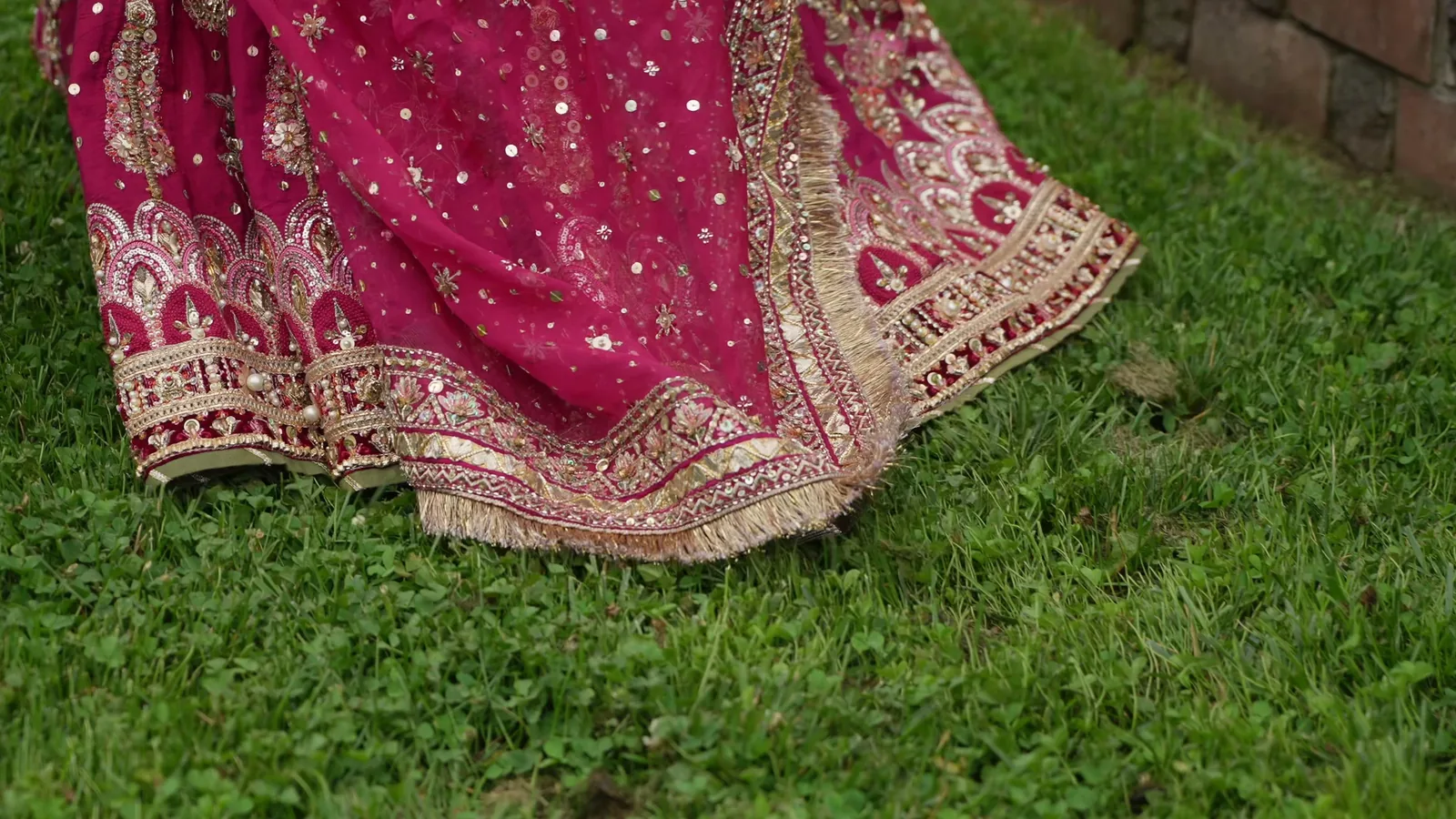
How To Incorporate Handmade Textiles Into Your Home Design
Handmade textiles bring warmth, texture, and personal history to a home in ways that mass-produced items cannot. This guide walks you through planning, selecting, placing, and caring for handmade pieces so they feel intentional rather than cluttered. You will learn how to balance colors, protect delicate work, and mix styles with confidence. Each step includes a practical check to keep your design cohesive and your textiles in good condition for years.
Fast Answer
- Start with one room and choose a single handmade textile that you love, then build the rest of the room's colors and textures around it.
- Treat handmade textiles as functional art: place them where they will be seen and used, but away from direct sun, heavy traffic, and moisture.
Before You Start
- Walk through each room and note where you want more warmth, softness, or color; write down the exact spots that feel bare or cold.
- Measure those spots precisely, including width, length, and height, and write the numbers down so you can compare them with the actual size of any textile you consider.
- Gather any handmade pieces you already own, check their condition for loose threads, fading, or stains, and decide which ones to keep, repair, or repurpose.
- Set a simple color palette of three to five colors that already appear in your room, so any new textile will connect with what you already have.
Step-by-Step Instructions
Define the role of each textile
Before you buy or move anything, decide what job each handmade textile will do in the room. A thick wool rug might anchor a seating area, while a lightweight embroidered cloth could soften a hard tabletop or add color to a plain wall. Write a short list for each room: one textile for comfort, one for visual interest, and one for a specific function like blocking drafts or absorbing sound. This prevents you from collecting pieces that look nice but have no clear place. Next, walk through the room and imagine where each item would sit. Ask yourself if it will be stepped on, leaned against, or exposed to cooking splashes. That answer tells you whether the piece needs to be durable or can be more delicate. Finally, check that the scale of the textile matches the space. A tiny pillow on a large sofa can look lost, while an oversized rug in a small room can feel overwhelming. Adjust your list until each piece has a clear purpose and a suitable location.
Choose a focal textile and build around it
Pick one handmade textile that you truly love and make it the starting point for the room's design. This could be a quilt, a woven wall hanging, a set of curtains, or a special rug. Place it where you can see it often, such as across from the main seating area or on the wall behind a bed. Once it is in position, pull two or three colors from it and repeat those colors in simpler, less expensive items like plain cushions, lamp shades, or a solid throw. This creates a visual link without making the room feel busy. Next, check the lighting. Move the focal piece to a spot where light falls on it gently rather than blasting it with harsh sun, which can fade natural dyes. If you cannot avoid bright light, plan to rotate the piece every few months. Finally, step back and look at the room from the doorway. The focal textile should be easy to notice but not the only thing you see. If it feels too dominant, add a neutral buffer such as a plain sofa or a simple shelf.
Layer textures without creating clutter
Handmade textiles shine when they are layered with care. Start with a smooth base layer, such as a simple cotton sheet or a flat-weave rug, then add one textured mid-layer like a chunky knit blanket or a looped wool runner. Finish with a small accent piece, such as a silk scarf draped over a chair or a beaded cushion. This three-layer approach gives depth without turning the room into a jumble. As you layer, vary the scale of patterns. A large geometric print can sit next to a small dotted pattern if the colors connect them. Avoid putting two busy patterns of the same scale side by side, because they will compete for attention. Next, check the balance of visual weight. If one side of the room has a heavy, dark textile, add a lighter or smaller piece on the opposite side. Finally, touch each layer. If the surfaces feel too similar, swap one for a different texture, such as replacing a smooth cushion with a nubby one. This tactile check helps you create a room that feels as good as it looks.
Place textiles to protect and preserve them
Where you place a handmade textile decides how long it will last. Keep delicate pieces away from direct sun, constant moisture, and heavy foot traffic. For example, hang a fragile embroidered cloth on an interior wall rather than above a radiator or in a steamy bathroom. If you use a handmade rug in a hallway, add a nonslip pad underneath to reduce friction and keep it from shifting. That pad also protects the floor and makes vacuuming easier. Next, think about how people will interact with the piece. A table runner will be touched and moved daily, so choose one with sturdy edges and colorfast dyes. A wall hanging, by contrast, can be more fragile because it is rarely handled. Check the back of any hanging textile for a proper sleeve or rod pocket, and use hardware that matches the weight of the piece. Finally, lift and rotate rugs and cushions every few months. This simple action spreads wear evenly and lets you spot any damage before it becomes serious. If you see loose threads or small holes, mend them right away.
Mix handmade with modern and vintage pieces
Handmade textiles do not need to live in a room full of antiques. They can look fresh and intentional next to clean-lined modern furniture or simple vintage finds. The key is to create contrast in shape and material while keeping colors related. For example, place a rough, handwoven cushion on a sleek leather chair, or drape a delicate lace cloth over a plain wooden table. The difference in texture makes both pieces stand out. Next, limit the number of strong patterns in one view. If your handmade textile has a bold design, keep nearby fabrics solid or very subtle. If the handmade piece is quiet and neutral, you can pair it with a stronger pattern elsewhere in the room. Check the overall mix by squinting at the room. If one item jumps out in a jarring way, either move it or add a similar tone nearby to bridge the gap. Finally, let the handmade piece tell a story. Display a small card or note about its origin if you like, but only if it adds to your enjoyment without creating visual noise.
Clean and care for handmade textiles regularly
Regular care keeps handmade textiles looking their best and prevents small problems from becoming permanent. Start by reading any care notes that came with the piece. If there are none, test a tiny hidden area with a mild soap and cool water before cleaning the whole item. For most washable pieces, use a gentle cycle or hand wash, then lay flat to dry away from direct heat. Never wring or twist delicate fibers, because that can distort the shape. For rugs, vacuum without a beater bar on the most delicate setting, and rotate them every few months. For wall hangings, dust gently with a soft brush or a low-suction vacuum attachment. Check for moths and other pests in storage areas, and keep textiles in breathable cotton bags rather than plastic. If a piece is very old, highly valuable, or made of fragile materials, consult a professional conservator before attempting any cleaning. Finally, schedule a seasonal check: look for fading, fraying, or loose seams, and make small repairs promptly. This habit protects your investment and keeps your home feeling cared for.
Quick Reference
| Situation | Action | Why it helps |
|---|---|---|
| You have a handmade textile that is too small for the space you want to fill. | Layer it over a larger plain textile, such as a solid throw or a simple tablecloth, or group it with two or three other small handmade pieces to create a larger display. | Combining pieces increases visual size without stretching or damaging the original textile, and it lets you rotate items for variety. |
| A handmade rug keeps sliding on a smooth floor. | Place a nonslip rug pad underneath it, cut to slightly smaller than the rug, and check that the pad is flat and free of wrinkles before walking on it. | A good pad increases friction, reduces wear on the rug, and prevents dangerous slips, especially on hard surfaces. |
| You want to display a delicate handmade cloth but worry about sunlight fading it. | Hang it on an interior wall away from windows, or use a protective backing and rotate the piece every few months so no single area is exposed for too long. | Direct sunlight breaks down dyes and fibers over time; rotation and distance from windows slow that damage and extend the piece's life. |
Common Issues
- The room feels cluttered after adding several handmade textiles.: Remove one textile at a time and step back. Keep only the pieces that have a clear purpose or strong personal meaning, and store the rest in a clean, dry place. Aim for no more than three handmade textiles in one view.
- Colors in a new handmade piece clash with your existing room.: Pull one color from the new piece and repeat it in a small, inexpensive item nearby, such as a candle or a book cover. If the clash still feels harsh, add a neutral buffer like a plain white or beige cloth between the two competing colors.
- A handmade textile is showing signs of wear, such as fraying edges or thinning areas.: Stop using it in high-traffic spots immediately. Mend small holes with matching thread, or add a fabric backing for support. For valuable or fragile pieces, contact a textile conservator before doing any repair yourself.
Advanced Tips
- Create a seasonal rotation: store heavier, darker handmade textiles in summer and lighter, brighter ones in winter, then swap them to keep the room feeling fresh and to reduce wear on each piece.
- Use a color wheel to find complementary accents that make your handmade textile stand out; a small dose of the opposite color can make natural dyes look richer without overwhelming the room.
- Document each handmade piece with a photo and a short note about its maker, fiber, and care needs; keep this record with your household files so you or a future owner can care for it properly.
Final Checklist
- Every handmade textile in the room has a clear purpose, such as comfort, color, or sound absorption.
- Delicate pieces are placed away from direct sun, moisture, and heavy foot traffic.
- Rugs and cushions have nonslip pads or are rotated regularly to spread wear evenly.
- Cleaning and storage supplies are ready, and you know which pieces need professional care.
FAQ
Can I wash a handmade textile in a regular washing machine?
Only if the maker's care instructions say it is safe. Many handmade textiles are made from natural fibers that can shrink, felt, or bleed dye in a machine. Test a small hidden area first, use a gentle cycle with cool water, and lay flat to dry. If you are unsure, hand wash or consult a professional cleaner who has experience with delicate textiles.
How do I keep handmade textiles from fading in a sunny room?
Move them away from direct sun, use curtains or blinds to filter light during the brightest hours, and rotate pieces every few months so no single area is always exposed. You can also add a protective backing to wall hangings. Even with these steps, some fading is natural over time, so enjoy the piece while caring for it as best you can.
What should I do if a handmade textile gets a stain?
Blot the stain gently with a clean, dry cloth, working from the outside toward the center. Do not rub, because that can push the stain deeper. Test a mild soap and cool water on a hidden area first, then apply a small amount to the stain and rinse carefully. For old, set, or unknown stains, contact a professional textile cleaner rather than risking damage.