How To Choose A Gift For A Creative Friend
A practical step-by-step guide to how to choose a gift for a creative friend, including preparation, instructions, common issues, tips, and next steps.
How To Choose A Gift For A Creative Friend
Choosing a gift for a creative friend can be a delightful challenge when you focus on their unique process rather than generic supplies. This guide will help you observe their habits, source meaningful materials, and present the gift in a way that fuels inspiration without pressure. You will learn practical steps to identify their medium, budget thoughtfully, and add personal touches that show you truly see their creative world.
Fast Answer
- Start by observing what your friend already enjoys and what tools they reach for most, then choose a high-quality version or a complementary accessory that fits their specific craft.
- Look for consumable supplies they use often, like sketchbooks or paint mediums, and pair them with a small storage solution so the gift feels both practical and considerate.
Before You Start
- Make a list of your friend's hobbies and any recent projects they have talked about, so you can target your search toward tools or materials that directly support those interests.
- Check their workspace or ask them casually what they run low on, then write down specific brand names or types of items they mention so you can match them later.
- Decide on a realistic budget range before shopping, and remember that quality often matters more than quantity for creative tools, so one fine item can beat several cheaper ones.
- Set aside time to wrap the gift carefully with good paper and a handwritten note, because creative friends tend to appreciate presentation and personal messages that show thought.
Step-by-Step Instructions
Notice Their Creative Rituals First
Before you buy anything, spend a few days paying attention to how your friend actually creates. Do they sketch in a pocket notebook while commuting, or do they paint large canvases in a home studio? Watch what they carry with them, what they complain about, and what they get excited about during a conversation. A person who sketches during lunch will need a portable kit, while someone who sculpts likely needs durable gloves or a new set of shaping tools. Notice whether they prefer digital or physical methods, and if they ever mention needing more light, storage, or organization. Then write down three concrete observations, such as 'they always use a fine pen', 'they store brushes in a jar', or 'they take photos of textures'. This step is about gathering evidence, not guessing. By the end of this observation period, you should be able to name at least one specific pain point in their creative routine. If you cannot think of one, ask them directly about their process without giving away that you are planning a gift. Checking your notes against your memory will prevent you from buying a duplicate tool they already own or choosing something that clashes with their style.
Research the Right Category of Gift
Once you have identified their primary medium, narrow your search to a single category that fits naturally into their workflow. For a painter, that might be a set of quality brushes rather than a giant canvas; for a writer, try a leather journal with archival paper instead of a random pen. Use your list of observed needs to determine whether they prefer tools, consumables, or inspiration. Tools are long lasting items like a mixing palette, a compass, or a camera lens cloth. Consumables are items they will use up, such as ink cartridges or colored paper. Inspiration gifts are books, museum passes, or a subscription to a craft box, but these may not fit every personality. Search online for 'best [medium] tools for [specific skill level]' and read reviews from creative communities, but avoid relying on sponsored content. Also, consider the quality level: a beginner may be happy with a mid-range tool, but a professional will notice a low-grade imitation immediately. Check the return policy of any store you plan to use, so if you accidentally buy the wrong variation, you can exchange it. Write down three specific product features that matter for your friend's skill level, such as bristle type for a brush or paper weight for a sketchbook.
Choose a Versatile Yet Personal Option
Narrow your options to one item that can serve as both a useful tool and a symbol of your understanding. Versatility means the gift can be used in multiple ways, such as a set of clip-on lights for a reading chair that also serves as a craft lamp, or a storage jar that can hold pencils or paintbrushes. To make it personal, choose a color they often wear or a design that reflects a hobby they talk about, like an astronomy pattern for a stargazing friend. If you decide on a consumable, pick a high-quality version of what they normally buy, and add a small durable item like a canvas bag or a palette knife. If you lean toward inspiration, select a coffee-table book with high-quality images from an artist they admire, but only if you know their taste well. Whatever you choose, ensure it does not require a separate expensive accessory to be useful, such as a special battery or a proprietary refill. Instead, look for something that works right out of the package. Before settling, imagine your friend unwrapping it and think about whether they would say 'I will use this today' or if they would politely set it aside. If you are uncertain, choose a gift certificate to a local art supply store, which is both practical and lets them pick exactly what they need.
Shop Thoughtfully and Compare Real Options
When you are ready to buy, do not settle for the first result. Visit at least two stores, either online or in person, and compare the exact specifications, such as dimensions, material, and included pieces. For example, a brush set may come with a travel case that protects the bristles, or a sketchbook may have a binding that lies flat, which is important for artists. Use your notes to check that the item does not duplicate something you know they own, and read a few customer reviews from people who use it for a similar purpose. If you buy online, measure the item against a known object like a ruler to make sure the size matches what you expect. Do not be swayed by flashy packaging or a famous name alone, and prioritize function over decoration. If the gift requires a specific type of refill or accessory, write down the exact model or type so you can mention it in your note. After you purchase, keep the receipt and save the packaging until the gift is exchanged, because some stores have a limited return window. Also, consider the environmental impact of your purchase, such as choosing items made from sustainable materials, but do not let that override your friend's practical needs.
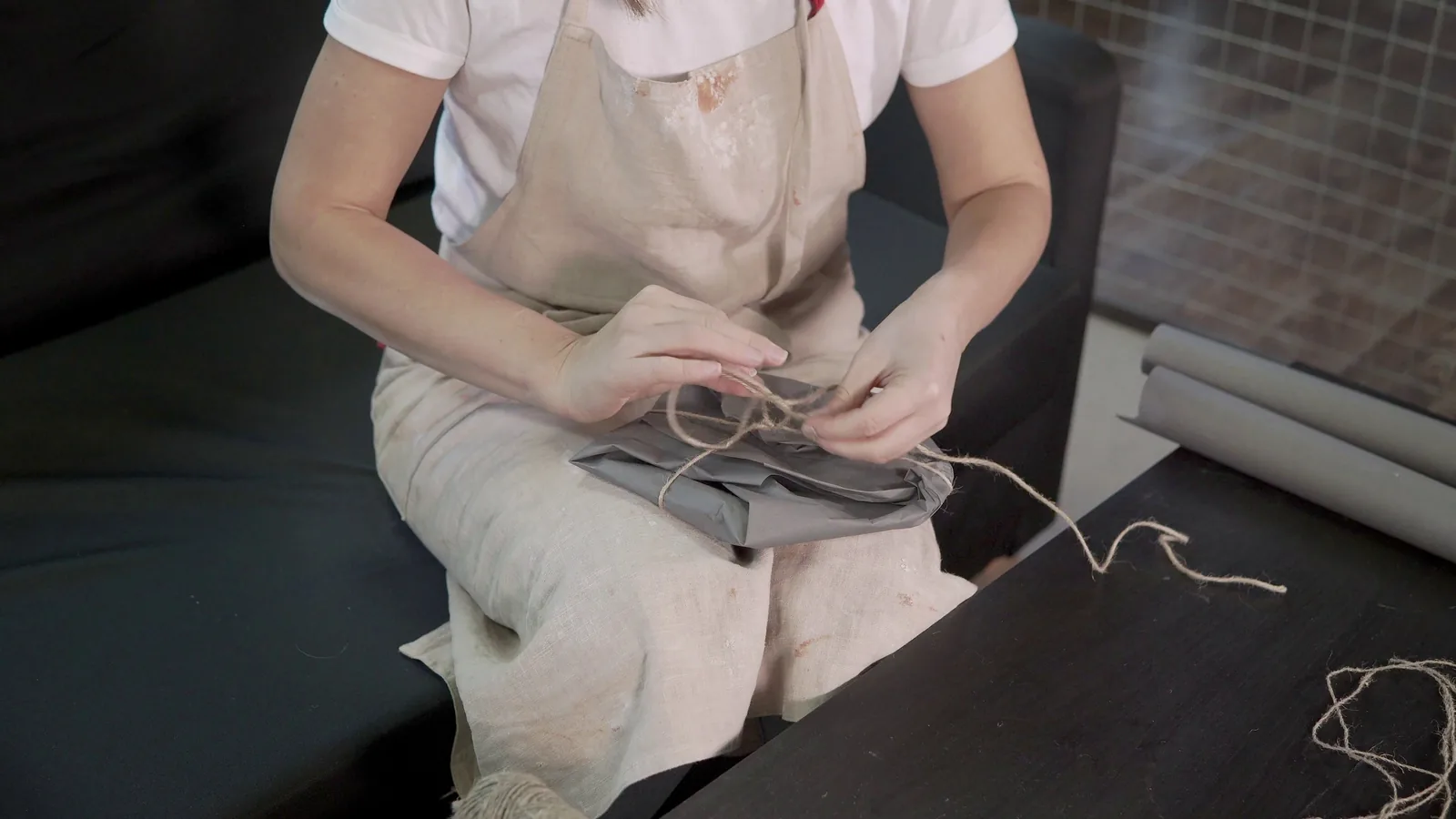
Wrap It With Care and a Personal Note
Creatives often notice details, so take extra time with presentation. Use quality wrapping paper or a reusable fabric wrap, and add a simple ribbon or a sprig of dried flower. Write a short note that explains why you chose this gift, mentioning a specific observation you made, such as 'I noticed you always use a small palette knife, so I found a better one'. Do not write a long essay, but do include a sentence that reflects your friendship. If the gift is a tool, say something like 'May this help you with those evening sketches' rather than 'You must finish your project'. Place the item in a box that offers enough protection, and if it is delicate, wrap it in tissue paper. If you are giving a consumable, include the note to explain that you know they use this type of ink or paper often. Do not attach the note to the outside of the package, because it might get lost or damaged. Instead, tuck it inside the box or under the ribbon. A thoughtful note can transform a simple object into a meaningful memory, and it gives you a natural way to explain your choice without feeling awkward. When you hand over the gift, be ready to talk about what you chose and why, but keep it brief and let them discover the details themselves.
Present the Gift and Discuss Its Use Without Pressure
When you give the gift, do so at a relaxed moment when your friend can open it without an audience, unless they enjoy a birthday crowd. Hand it to them with a smile and say something like 'This reminded me of you' rather than 'I hope you use this a lot'. Wait for their reaction, and if they seem uncertain, explain that it is a tool you thought they might enjoy, and that you are open to exchanging it if it is not perfect. Do not ask for them to use it immediately or to show you the results. Instead, ask if they already have something similar or if they have been looking for a particular item. Listen carefully to their comments without being defensive, because even a positive reaction might include a hint that they prefer a different style. After they open it, you can offer to help test it together, such as using a new pen to write a quick note or trying out a different paintbrush on a scrap of paper. This shared moment can turn the gift into an experience. Finally, let the gift exist independently: do not check later to see if they have used it, and do not tie it to a project you expect from them. A supportive gift is one that gives them permission to create on their own terms.
Quick Reference
| Situation | Action | Why it helps |
|---|---|---|
| Your friend is a painter who complains about brushes that shed bristles. | Buy a set of brushes with synthetic or mixed bristles that are known for durability, and check reviews that specifically mention shedding. | A brush that holds its shape lets your friend focus on their work instead of picking fibers out of wet paint, which disrupts their flow. |
| Your friend loves to sketch on the go but always forgets a sharpener. | Choose a portable sketch kit that includes a secure sharpener and a small case, and verify that the sharpener fits their preferred pencil width. | Having every necessary tool in one place removes the friction of starting a sketch session, encouraging more spontaneous creative time. |
| Your friend is a digital artist who has mentioned wrist pain after long drawing sessions. | Purchase an ergonomic drawing tablet stand or a cushioned wrist support that suits their desk setup, and confirm it works with their current device. | Comfort directly affects how long an artist can work, and reducing strain shows you care about their long-term physical health, not just their output. |
Common Issues
- You bought a gift that is too generic, like a blank notebook, and your friend seems unenthusiastic.: Acknowledge that you wanted to give them something flexible, but ask if they would prefer a specific medium like a set of pigment pens or a custom sketchbook. Offer to exchange it together, and use this as a chance to learn their true preferences.
- The tool you purchased requires a specific type of refill or accessory that you did not include, and your friend cannot use it right away.: Apologize for the oversight and immediately locate the correct refill or accessory, either by visiting the store where you bought the item or by finding the official documentation online. If you cannot find a match, return the item and choose a compatible one that works out of the box.
- Your friend has a creative interest but already owns a high-end version of the tool you bought, so the gift feels redundant.: Do not pretend it was intentional. Instead, tell them you wanted to upgrade their setup but were not sure what they had. Ask if they would like to return it for something they actually need, and suggest a local art supply store gift card as a safer alternative to avoid future duplication.
Advanced Tips
- Consider the four core creative supplies: paper or canvas, marking tools, cutting tools, and adhesives. A gift that covers an unfulfilled need in any of these areas will likely be appreciated.
- If you know a creative friend who is between projects, choose a consumable that is flexible, like a large pad of mixed-media paper, because it can adapt to whatever new direction they explore.
- Pay attention to the ergonomic design of any tool you buy, such as a pen with a comfortable grip or a brush with a balanced handle, as this shows you value their physical comfort during long hours of work.
Final Checklist
- I observed my friend's creative process and noted at least two specific needs or preferences.
- I researched the gift category and chose an item that fits their skill level and medium.
- I purchased a high-quality, versatile option and confirmed it does not require a special refill that I forgot.
- I wrapped the gift carefully and included a handwritten note that explains why I chose it.
FAQ
What if my friend is a beginner and I am not sure what tools they need?
Start with a general consumable like a high-quality sketchbook or a set of artist-grade colored pencils, because these work for most media and do not require experience. You can also ask them directly about their current setup, or choose a gift card to a local art supply store so they can pick their own starting point. The key is to avoid buying an advanced tool that might overwhelm them.
Is it okay to buy a gift that is not strictly a tool, like a book or a museum membership?
Yes, inspiration can be a wonderful gift, but only if you know your friend's taste. A book featuring an artist they admire or a ticket to a craft fair can spark new ideas. However, if you are unsure, a practical tool is safer because it shows you respect their craft. You can also pair an inspirational item with a small consumable to cover both bases.
How do I handle it if my friend does not like the gift?
Stay calm and be open to exchanging it. Say something like 'No problem, I want you to have something you will actually use. Would you prefer a different brand or type?' Then follow through by returning or exchanging the item, or replacing it with a gift card. Your reaction matters more than the gift itself, and showing flexibility strengthens your relationship.